Search This Blog

Wednesday, September 26, 2018

BioShock Full Walk-Through Game Review

So I've done this a handful of times, perhaps, but my aim here is not to review game play.  As an adult, with a family, I really don't have time play games.  No. Time.  But my nephew had recommended to me that there were a few games (including BioShock) that had really fantastic stories and so I should look into them.

BioShock, is not told through cut scenes.  Here is one, the opening six minutes.  There are a handful, but they are, at best, seconds worth of time.  There are constant audio clips, contemporary advertisements, great 40s music, PA announcements, and then there are voluntarily read/played journal entries that detail the larger story.  I suspect the reason for the latter is that many people just aren't interested in the story, or perhaps on replay, don't feel the need to hear it a second time.  This is a shame really, I think story-telling is much more important than game play, and frankly, how many people do you have to kill before it starts getting a bit repetitive?

It was easy enough to find a no commentary walk-through of the game.  However, this does present some problems. In an environment where you can look wherever you want, if the game player does not look where you want, you can definitely miss out on certain things.  Still, RabidRetrospectGames did a relatively good job of finding and playing all the journal entries, so I think I got the full story.

SPOILERS within.

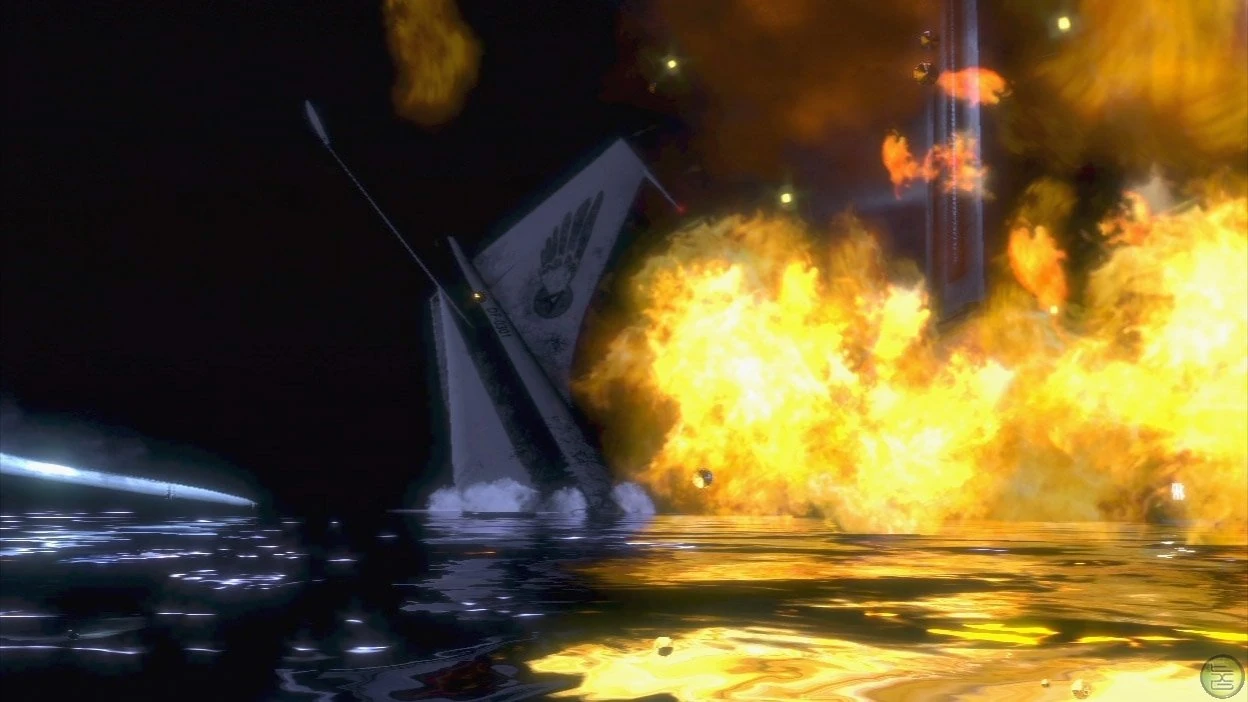
BioShock starts with passengers in an airplane, and the single and only time the main character speaks, occurs in that moment, although looking back, it's not clear he was speaking at all.  "I was meant to do great things" the character seems to utter, and than the plane crashes.  Next thing, we're beneath the waves, struggling for breath and dodging airplane fragments.  This was a beautiful touch, and I really wish there were more of it.  (Though I'm sure the lack of cut scenes was a conscious choice.) Then, our main character, who never really has a name, finds a small out cropping island, with a portal down to the depths of the sea.

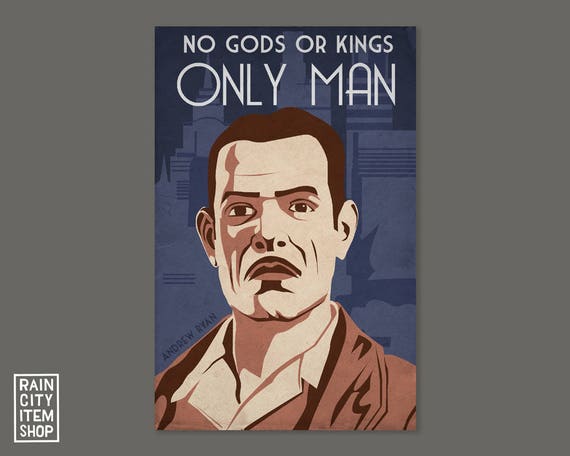
We watch a short promotional video, a welcome to Rapture video, where we learn about Andrew Ryan, a wealthy industrialist who wanted to escape taxes, and decided to found an underwater kingdom called Rapture just at the end of World War 2.  The opening scene has some great references, and propaganda, and it's really the only time we ever see the grandeur of the underwater city, with a beautiful blue whale swimming between the buildings.  It's a shame really, from then on, you're in the underwater city, really just one large apartment building it seems.  There are lots of windows, but the character I followed never really looked out of them, so I didn't get to see as much as I would have liked.

The art and atmosphere that the developers at 2K Boston, Irrational Games, and Ken Levine created for the game is breathtaking.  The amount of research they did on 40s nostaliga must have been immense, really great Art Deco and Googie styling, including dozens of sculptures reminiscent of Antoine Bourdelle's work.  The game takes place after the war, and at least one of Ryan's geneticists worked with the Nazis.

For all this beauty, when our hero arrives, Rapture is a dead and dying beast, filled with chaos and insanity.  This is unsurprising, Andrew Ryan's dream was ultimately a libertarian one, promising ultimate freedom with no policing. It isn't long in the game before you discover the source of the insanity.  Genetic modifications, called plasmids, and something called ADAM, a component of a sea slug that allows these modifications.  An unfortunate side effect of these modifications continued use is insanity.  So Rapture is now filled with insane splicers (who seem to be 98% of the inhabitants). Some of them have weird deformities, but mostly they have insane strength, and superpowers, throwing lightning, flames, moving objects, wind storms.
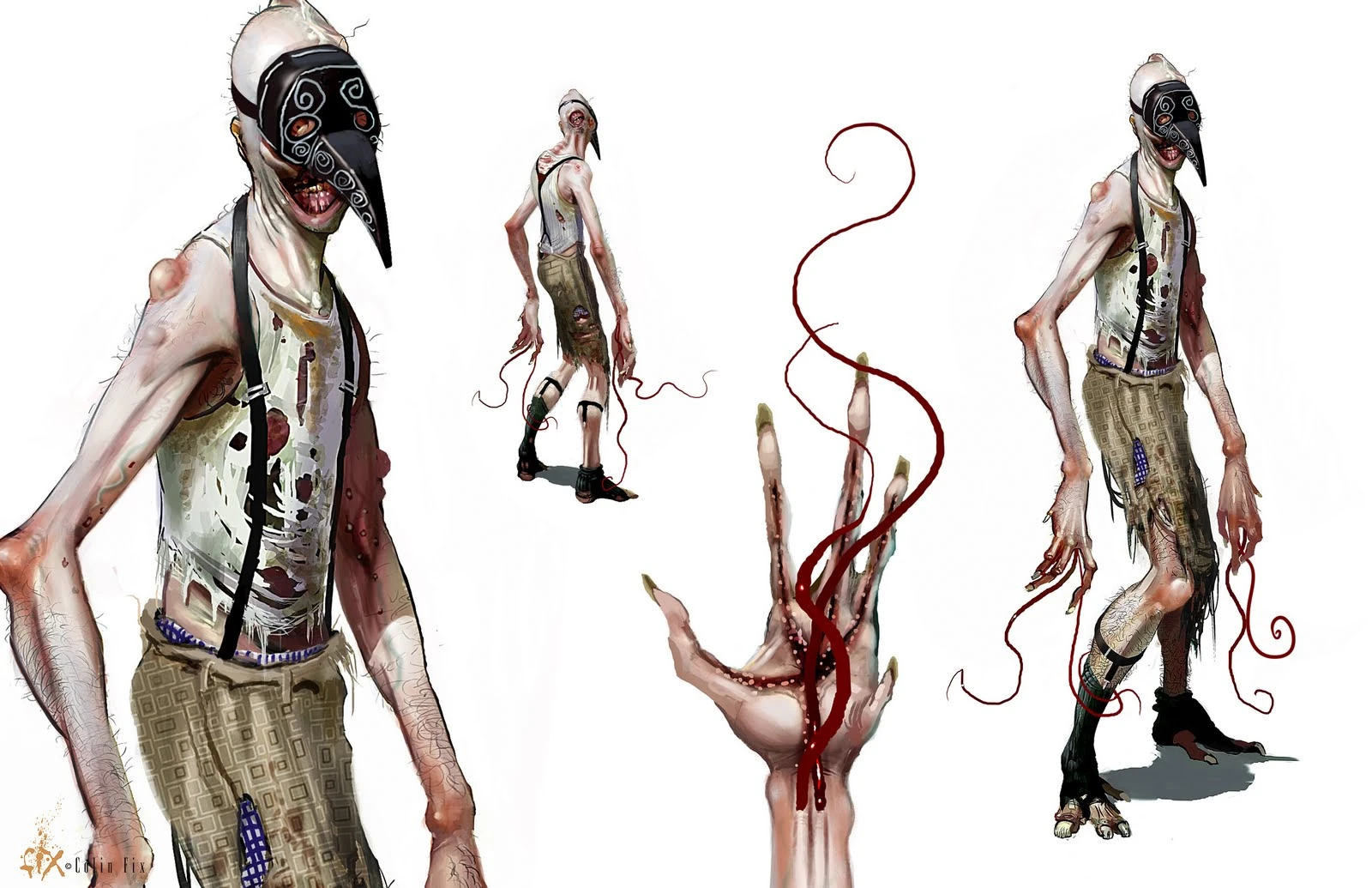
Representation of a Spider Slicer

Anyway, if you want to watch the story, or read about it, there are plenty of places to do so.  The purpose of my review is to complain about the story. While there were some interesting plot twists, plot twists themselves do not a story make.  As we don't learn anything about the main character until the last hour of gameplay, mostly the story is finding out what happened to make Rapture fall.  Which isn't nearly as interesting in the end as I hoped.

So there's this thing: a Big Daddy. We don't learn about what the Big Daddies are until quite late in the game, but if you remember going to the mall in 2007, you'll remember the massive cutouts of hulking figures in archaic aquatic gear with a drill for a hand, crowding the entry of GameStop and Babbage's.

In creative writing classes, something they always tell you: show, don't tell.  And it's somewhat ironic, that in attempting to make the story optional for users, they end up neither showing, nor telling.  While the voiceover work, and the talent of the actors was unquestionable, the story just didn't have the drama that it could have if some of the events described had been visualized in cut scenes.  Usually game driven players can coast by cut scenes with the press of a button, so again, I'm not sure why this decision was made. Take a look at this (cranky gamer on CNET) who frigging HATES cut scenes.  But he's a gamer's gamer, so maybe that's why.  Ironically, it appears as if the two game sequels do have cut scenes, so there must have been enough of an outcry.

Another issue I had with the game is that so much of what is intriguing here is the madness of the splicers.  You can be creeping through a destroyed study, papers strewn across the floor, bottles of alcohol (which you can drink!) lining the shelves, and it's deathly quiet, then all of a sudden, you hear something fall and rattle to the ground, then a slow, completely bonkers chuckle. The splicers weep, beg for mercy, for compassion, have terrifying eruptions of rage, and yet, this fell short in the walk-through version because the moment our main character saw one, he shot him or her dead instantly. Add to this that the splicers have, through surgery and genetic modifications become true monsters, and here again, a few more cut scenes would have gone a long way, to truly displaying the horrors that these people had perpetrated on themselves.
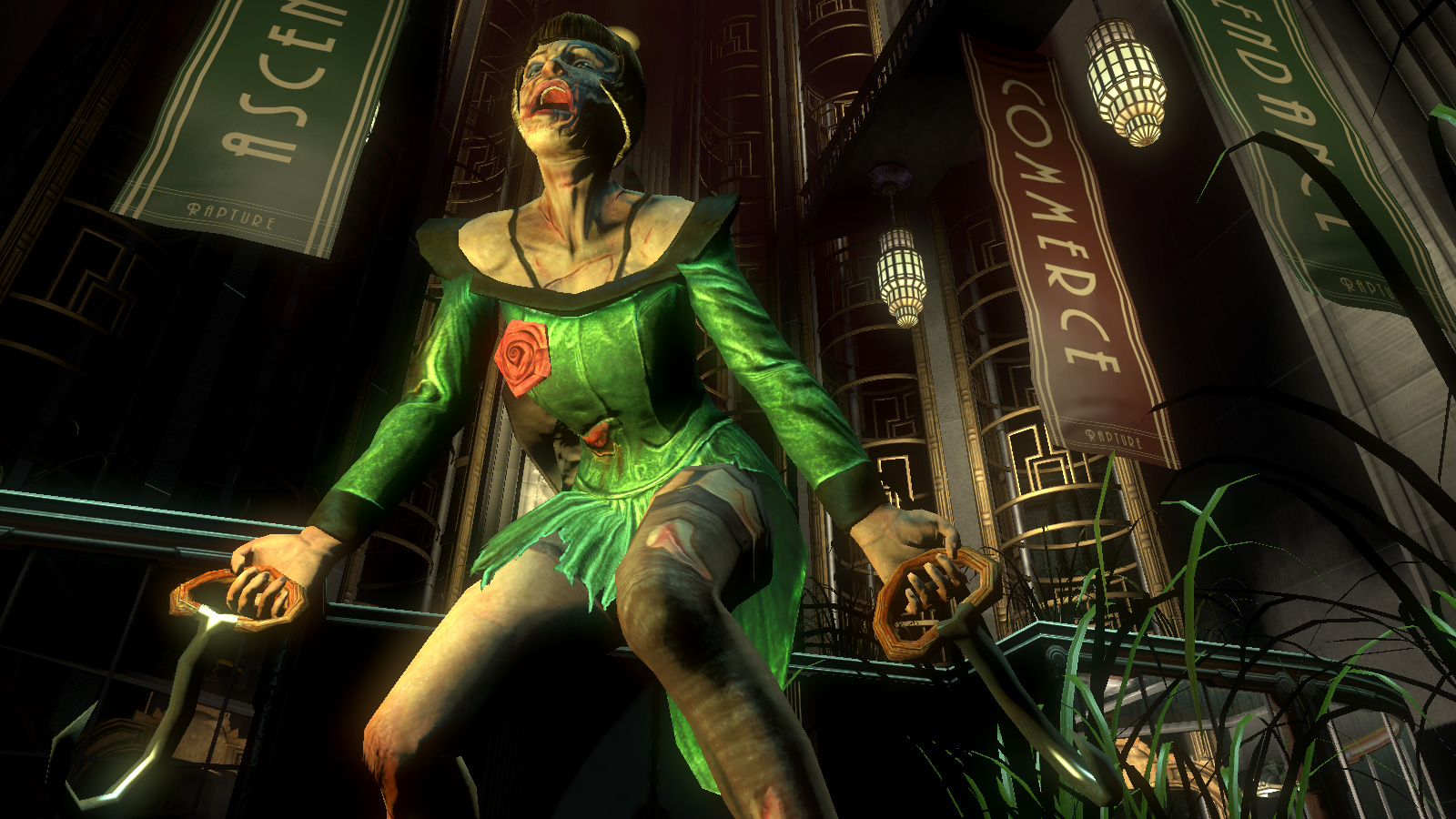
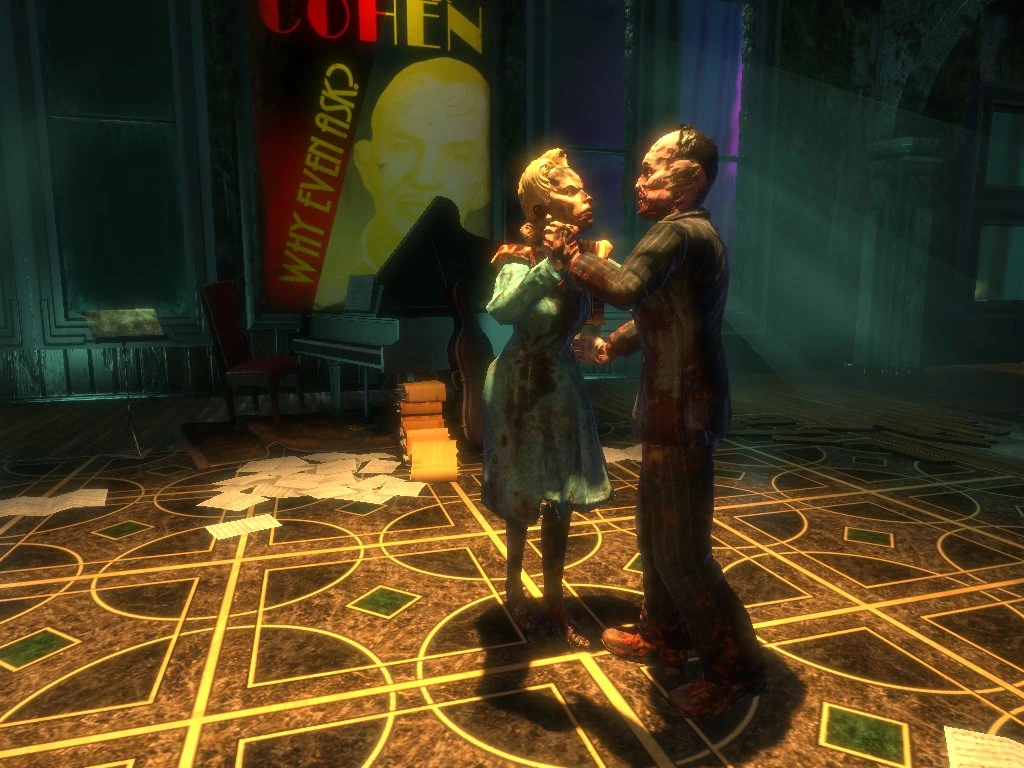
See these splicers, dancing? you have to kill them

As a liberal, this wanton killing of people who were effectively drug addicts was more than a little troublesome.  I get that video games have LONG since passed the threshold of common decency, and that I am somewhat archaic in viewpoint now.  But killing Nazis in Wolfenstein, or monsters in Doom made sense.  Killing these poor unfortunates without out even an attempt at mercy, made me feel somewhat soiled. And I wasn't even pulling the "trigger".

To get back to the story, one of the most fascinating characters is Andrew Ryan. Wikipedia indicates that Ken Levine was heavily inspired by Atlas Shrugs, by Ayn Rand, or at least, by the imagery and characters within it.  I don't hold that against him, as I found The Fountain Head to be quite inspirational--despite Ayn Rand's obvious prejudices and general failings. So Andrew Ryan, as this obscenely wealthy industrial is quite an attractive character.  The foibles of the rich, the glitz, the glamour! However, his opposite number is a fellow called Frank Fontaine, in essence a mobster.  Ryan controls the wealth, and the elite, and Fontaine controls the means of production.  The Fall of Rapture, is the story of the conflict between these two men.  Really, though, the Fall of Rapture is marked ultimately by a huge absence.  The Rule of Law.
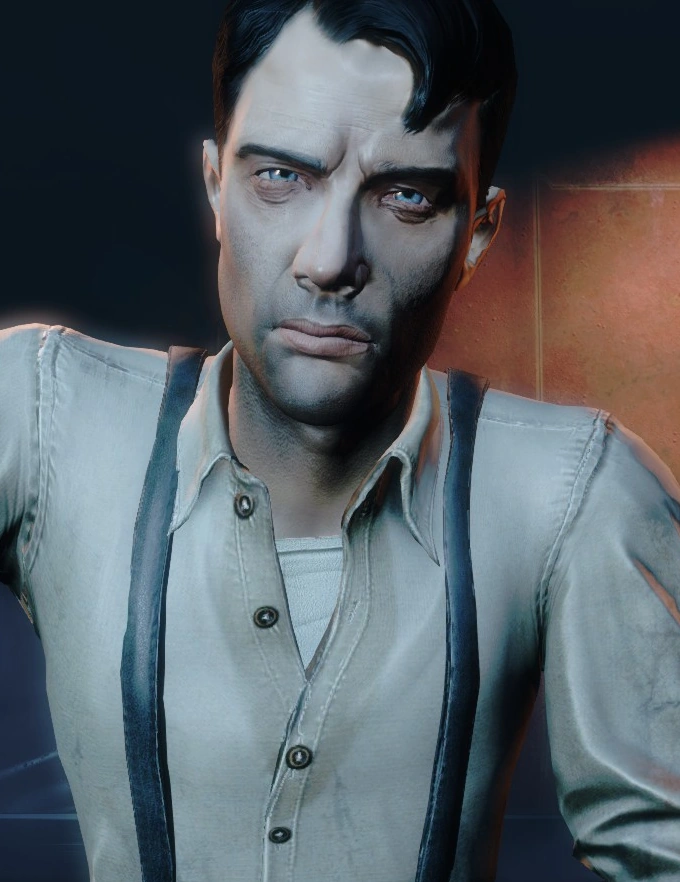
Frank Fontaine is pretty skinny, huh?

This is, of course, intentional.  This is, of course, specifically what Andrew Ryan was fleeing.  And as an idealogue, he ultimately upheld this decision.  There are no police in Rapture, no courts, jails or judges.  Add to that the fact that Ryan Industries sells flame throwing genetic enhancements, and, well... the Fall of Rapture seems pretty obvious.

As to the end, ultimately, one of those people wins.  I won't spoil it for you. It's interesting because Fontaine and Ryan, are ultimately two sides of the same coin.  They're both rugged individualists, capitalists, and while Ryan's view of the world contains an idealistic sense of achievement and beauty, Fontaine's view is completely cynical, musings on the baser attributes of human nature.

Which, I think is ultimately, why the story of Bioshock failed to impress me. The main character, ultimately, makes a moral choice that determines the end of both titans--but as his voice is completely absent from the story, ultimately there is no character growth, there is no catharsis (though there are a few revelations).  Two, greedy, evil men, meet their end, in a watery grave, under the sea.

Ask me if I care about Rapture. No.  Perhaps if I'd seen it lit.

Wednesday, August 29, 2018

The Towers of Sunset by L.E. Modesitt

I've wanted to review some classic fantasy for this site, and I got my chance to reread this book when Tor.com dropped a free epub of the second book in the Recluce Saga. I remember reading it as a teenager and loving it, but many many things change between one's idealistic childhood and one's adulthood. And in this case, my enjoyment of the Towers of Sunset easily doubled in the intervening years. For two reasons: I like depictions of realistic relationships, and while medieval and medieval styled relationships were no doubt different in many ways, the subtleties of understanding between the sexes are always well developed in the realm of Recluce. The second reason, of course, is my devotion to economics and the study and display of economics in fantasy literature. That said, I can see this as a possible turn off to many readers. In my attempts to sell my own work, I've found some who think economics are boring! And I'm not even talking microeconomics, replete with equations and variables and charts, they find the macro stuff boring!

Well, fuck them. The Towers of Sunset is a great book, full of chaos and order, and gives a fascinating glance at the history of Recluce, and the founding of a mighty nation.  Before we get started, a reminder.  The magic system of the Recluce saga is really quite original.  There are forces of chaos, and forces of order.  Order is black (without the chaos of light), and Chaos is white and red.  Naturally, these forces must balance, and so one of our protagonists is a White Wizard, albeit a reformed one.

Not Creslin, unfortunately, no fanfic in 1993
Character: The story of Towers of Sunset begins with a man and a woman.  A man, Creslin, who is a swordsman and storm-wizard as well as a consort in a matriarchal society.  He is chattel, and as such, an arranged marriage is forged to strengthen the bonds with another matriarchal nation.  He spends the first 150 pages of the book running from that marriage.  I found Creslin to be a very real portrait of a man.  For one thing, his desire to flee and find his way is anything but focused.  In my own experience of life, real focus is rare, and most of us fumble through with only the knowledge that we desire something different, and that this difference 'lies over there.'  As such, we follow Creslin to the nation of Candar, where the White city of Fairhaven lies. Creslin knows something of his power as a storm wizard, but he knows little of Order magic, and he adopts a wait and see attitude.  The Whites are fairly sophisticated nation builders, and recognize him immediately as a threat (both for his parentage, and his power).

One stylistic note about the writing of this book:  Not all is explained; a lot is left unsaid.  In general, I have enjoyed Modesitt's writing, and given the fact that he's written nearly 60 novels, it's safe to say he's pretty good at it.  But there are these sort of weird gaps, that are really never explained.  For instance, Creslin's parentage:  his father was a pawn of the White wizards, and sent to seduce the Marshall of Westwind (the Matriarchy). But he has disappeared at the story's start, and we're lead to believe that something strange has happened.  This is the sort of discrepancy one expects from a book in a series, but the first book in the series, the Magic of Recluce, takes place several centuries later!
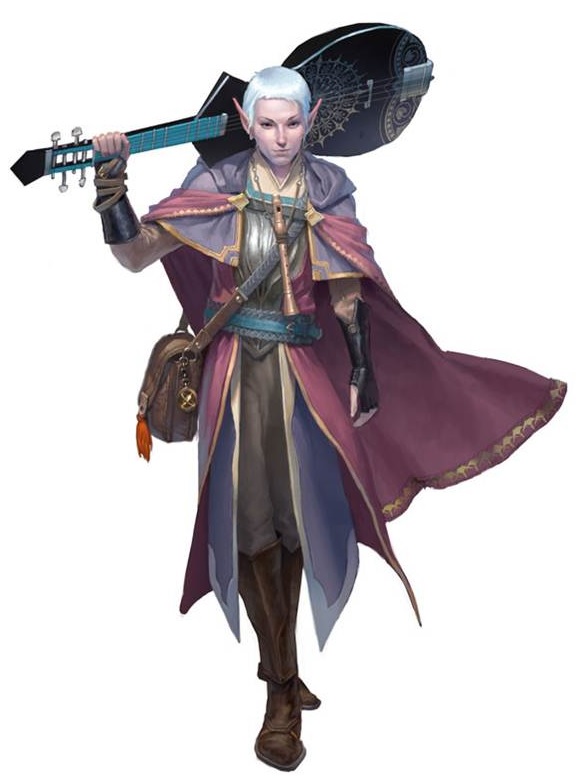
Creslin is also not an elf, but he does play a guitar
Like any typical young man, Creslin is fairly into himself, not in a crass or arrogant way, he simply doesn't think much about what other people think.  He's strikingly handsome, and would have been popular with the ladies, had his mother, the Marshall of Westwind, not been very stern with her female guards about fraternization with the prince consort.  This leads him to a great deal of difficulty with his wife to be, the beautiful fire-haired, Chaos wielder, Magaera.  Magaera is hot-tempered and bitchy, the perfect compliment to Creslin's good humored, cool distance.  That said, her dialogue, and the manner in which she tries to confront Creslin are spot on (at least from my perspective.) Creslin is simply not equipped, despite massive intelligence for both order magic and nation building, to handle feelings, and the second third of the book is an exercise in frustration for all three parties. (Creslin, Magaera and the Reader.)  And it is SO frustrating: you want them to get along, and to stop fighting each other. But Creslin's hamfisted attempts to apologize, or even to understand what Magaera is on about are cringeworthy, and all too familiar for those of us in the mating game. Modesitt's marital and relationship writing style puts him in a class far far above both Jordan and Martin.

Actual Recluce art, different book, see White Wizard
The only other characters of note are the White Wizards, and they are not directly involved in the action.  We see snippets of what the "bad guys" are planning, and what they decide to do to deal with Creslin, and his new nation-state.  What makes them interesting is the atypical approach Modesitt takes with them.  They are hands-off bureaucratic administrators, attempting to create an ever expanding empire of Chaos Magic, not through fire balls and earthquakes, but through road building, and trade policy!  Truly, road building!  It's an overlooked phenomena in the modern world, but the Roman's success early on had a lot to do with the massive roads they built, which allowed trade, but also quick passage for armies.  Anyway, when your chaos mages can blow up big rocks with a flick of a wrist, road building gets a lot easier.  All of this is extremely fascinating to me!
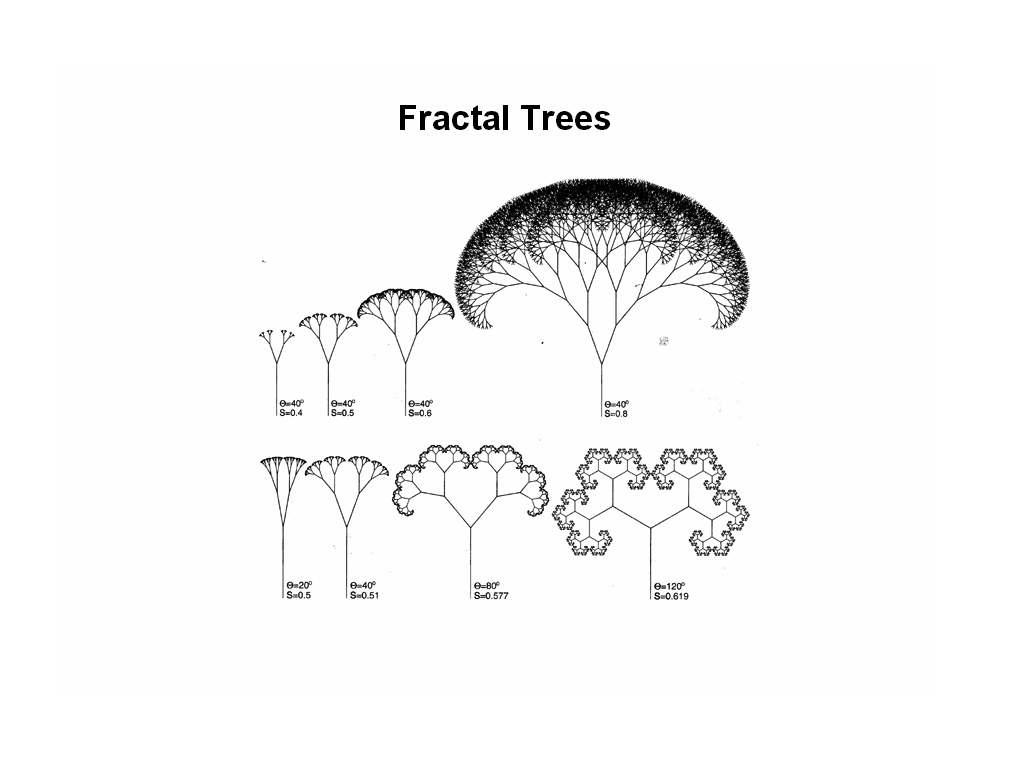
Fractal trees show how chaos and order are linked
Cliche: As we learn more in the Magic of Recluce, and in the various books that follow Towers of Sunset, Modesitt is a cliche buster.  However, the two cliche's most heavily relied upon are: Order and Chaos. As mentioned above, the theory of magic draws heavily on these concepts.  But the cliche of Order and Chaos is normally quite a bit different, usually Chaos is symbolized by the Abyss. Take the Wheel of Time by Robert Jordan, there the Dark One wants to break the wheel of time, and escape his prison, thus destroying the world and returning the universe to darkness. Not so in the Recluce Saga, Order (or The White cliche) is darkness, calm, lack of movement, structure, stasis, Negentropy.  And Chaos, in a word it's opposite, or Entropy.  Order wielders are healers, taking the chaos of infection and bounding it and strengthening the body's normal structures. Chaos wielders live short lives, but are stronger wizards since they can throw fireballs, lightning bolts, etc. There is one last thing that this cliche buster addresses that is IMPORTANT.  I try not to dwell on racism in fantasy, but fantasy undoubtedly uses racists tropes on a regular basis.  Black magic.  No one thinks that black people use black magic, and no one should, but it's definitely an unfortunate and unavoidable connotation with this common trope.  By making black magic, into good magic, Modesitt breaks with this common trope, and, I think sheds a hair more equality in a vastly unequal world (Check out redditor D3athRider on the Wild Savage trope's racism.)

A new one, possibly, let's call it Red Thread of Fate.  This cliche is the idea that two characters are bound together somehow, perhaps by blood, or some soul connection.  The term I've chosen here relates (see the link) to the east asian belief in fate, symbolized by red string.  Sometimes that connection is one of love, as in Elizabeth Hayden's Rhapsody, and other times by hatred as in the connection between Harry Potter and Lord Voldemort, or the connection between Frodo and Golum. It is a useful cliche for writing, as it requires a certain cause and effect on the other character connected.  In this case, Creslin and Megaera are bound together by their forced wedding vow.  This connection wasn't supposed to be supernatural or magical, but owing to the power of both characters, the connection assumed a greater power than it might have otherwise had. And then, this connection between the two becomes a matter of life and death.
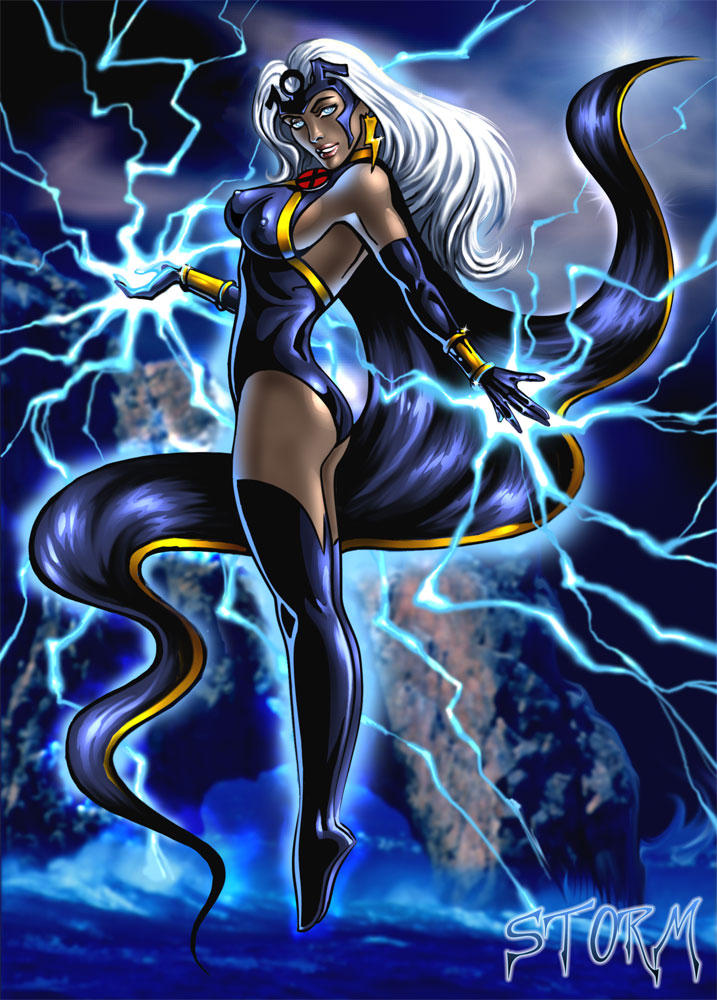
Because Storm is hot, and an X-Men
Another new cliche would be the Storm Wizard cliche, throwing lightning and wind is fantasy fodder for thousands of years.  I mean, look at Zeuss, the ultimate god, why? because he's a badass who can throw lightning.  Well, in addition to being an Order-Wizard, Creslin is also a Storm Wizard.  While the mythos of the Recluce books contains knowledge of other storm wizards, apparently, Creslin's great strength (see Maintaining the Balance cliche) is due to the influence of the White Wizards of Candor on the world. So really, Creslin is the strongest Storm Wizard in this world's recent history. But it's bigger than lightning bolts, Creslin can move millions of metric tons of air, change pressure systems, bring massive rain storms, and turn the ocean into a ravenous hurricane.

Nation Building: this is actually a pretty rare cliche, this book is about the founding of a nation, and so it takes place over a large space of time, through several epic battles and wars.  It also contains a good deal of economics (again something I LOVE in fantasy).  This is sort of a meta cliche, and it relates to the third section of this review, "Completion." A lot of fantasy worlds are entirely character driven, and outside of what is strictly necessary to make the plot work, the rest fails to hang together.  But in this case, Modesitt makes a concious decision to set the stones for the entire saga, and it all hangs together, complete to a bumper crop of a bitter brandy called Green Berry, to how Creslin changed the weather patterns to turn Recluce from a desert, to a temperate paradise.
Medieval Trade Routes

Other cliches only mentioned: The book touches a bit on The Am I going Crazy cliche, Creslin and Megaera's connection does begin to inflect seriously on both of their mental states, and indeed the end of the book has a moment where this cliche is addressed head on. Broken Homeland, Creslin is born in a strong matriarchy that is a major power in this verse, by the end of the book, his nation of origin is entirely shattered. I mentioned earlier this book deals with The White cliche, while true, even this is cliche busting.  Usually The White, is good, all good, all clean, industrious, free from decay or corruption.  In this case, The White is exactly the opposite.  But even that is too cliched, because under the Maintaining the Balance cliche, even chaos-entropy is important to life itself.  To wit, the wizards of Candar, evil as they may be, are not evil in the grander sense.  In fact, the book goes through three generations of White Wizard Tyrants, as each is deposed by the younger generation for failing to contain the island of Recluce. Given Creslin's enormous power, he has taken thousands of lives by the book's end, this forces something of a Hero's Redemption cliche on him, though indeed, the weight of his deeds are never truly absolved.
My homeland (NYC), broken

Completeness: The Saga of Recluce is complete in that, in that this enormous number of books (nearly 20!) Modesitt literally tells the entire history of this world, book by book.  He jumps around a bit, the first book started several hundred years after the founding of Recluce, and this book details the start.  There's even a book that (SPOILER) details the original colonists of this world. (SPOILER END).  And Modesitt is very interested in the practical aspects of his world, he's invested in technology, trade routes, benchmark industries, GDP.  If that stuff sounds dry, well, it is perhaps a bit.  But there are plenty of sword fights too (Creslin's mastery with the Blade is without question).  What's really interesting is just how differently Modesitt establishes this completness record from Jordan, or Martin.  The book doesn't use documentary evidence (via epigraphs) or mysterious old ruins, or names and background of long dead nations.  These are ways to establish a complete history that Modesitt eschews, instead, he concentrates on the present and details it excruciatingly.  This is more on a level with Riftwar Saga's author Raymond E. Feist.  I think one difference perhaps, is that to cite another cliche, neither Feist nor Modesitt's worlds are Worlds in Decline.  They are more or less modern, thriving worlds where progress is derailed by war, and strife, but that the great wheel of progress is spinning forward furiously. So there really aren't massive ruins, or formerly great nations to discuss, because the world is full.
Ancient Mayan ruins, because they're cool
My overall recommendation for this book is definite, but qualified, yes!  It is not teen fantasy, or YA, as the industry calls it.  However, it is classic fantasy, published in 1993 when the genre was really starting to grow.  And, with 20 books to this particular world, it's a good series to start if you want something with legs.  I also really appreciate the seriousness of the relationship between the two main characters, something that is really quite seldom seen in traditional or young adult fantasy.  Relationships are hard, and even love at first sight fades after that first sight, so it's rare that genre fiction actually handles the actual difficulties in making relationships work.  Also, it's just a really cool magic system, worth exploring for those of you who like Brandon Sanderson's magic choices.  My other reservation on this book (particularly for a younger audience) is that Modesitt really does enjoy the wonkiness of economic systems.  It's still immensely readable, and a good way to learn about economics, but it might not be your cup of tea.

Monday, August 20, 2018

Academ's Fury by Jim Butcher

 I haven’t posted in awhile. Kids man, no time to write and when I do, I try to work on original fiction to further my dream of being an actual writer. As I'm jotting this down on my iphone, my 17 month old is singlemindedly slapping clothing on a doll and a stuffed animal

So, this is the second book in the Codex Alera. Part of a six book series. I like that he calls it a Codex, not too many of those—though to be frank unlike a lot of fantasy that creates fake literature to illuminate and foreshadow each chapter, this is noticeably absent from Butcher’s work. I enjoyed this book quite a bit. The plot is complex and full of intrigue, Jim Butcher continues to create a realistic fantasy world. If you are fan of Jim Butcher, check out his fansite, paranetonline!

Character: I think the main reason to read the Codex books is because of his main character, Tavi. He’s just a sunny, tough little guy who never feels sorry for himself and makes things work without all the special gifts that literally every other person in this land has. I just like him, and he’s a joy to read. His Aunt, is a bit of a drag, spoiler alert not really a spoiler alert, we begin to understand a bit more about her personal history. While we are on the topic: a person I respect at work told me her feelings on this book. Namely that a lot of the big reveals are pretty obvious, Tavi’s parentage being the most obvious. While I can see what she's saying, I'd say two things in reprisal: one, this does not detract at all from the excitement of the plot, or overall book enjoyment.  Two, what's interesting is just how long these reveals take.  By the end of this book you are some 800 pages in, and only one major reveal has taken place.  That sort of tension is interesting, and I thought planned.  The villains are also quite interesting, all returning from the first book. The sexy Lady Aquitaine, the dangerous and pragmatic spy Fidelious. And of course we get more acquainted with another High Lord, Kalare. Of course my continued sore spot for these novels is the romance and sex between The heroine Amara and the stalwart Bernard—it just doesn’t do anything for me and the intimacy is gratuitous. Both characters and their relationship fall into stereotypes and while I myself am proponent and supporter of cliche, I still find, as per my original review, these displays unpalatable.

Varg, the Canim Ambassador
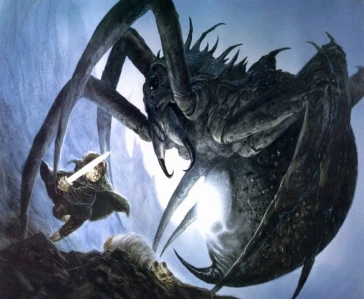
Cliche: So, new Cliche's in this book that weren't in the first book of the series, Furies of Calderon. Well, Butcher does a good job of steering clear of most of the fantasy cliches. The first I can think of is less obvious. A minor new enemy introduced in the book is a species of half Dog, half Man, called the Canim. They are enormous though, and quite frankly, seem almost like Minotaurs, including the fury and menace that Minotaur mythology is said to encapsulate. These furry foes certainly share little with dogs as we know them. Lady Aquitaine fullfils a nice Femme Fatale role, beautiful, sexy, horny, brainy, and powerful as fuck. She was briefly outlined in the first book, but we get to witness full use of her power as she (SPOILER) takes charge in the final chapters of this tale. It's a good use of the cliche, and her #openmarriage with Lord Aquitaine allows her to be free from some of the sexist baggage of the cliche as it is traditionally written. She might also get herself filed under the Lady Wife cliche, as she and her husband are deeply united on their goal of usurpation, if not of marital fidelity. Of course, we must repeat the Coming of Age cliche, as Tavi, now in his late teens, is still very much finding himself. That said, the use of this cliche is not quite so heavy here. While certain acts of incipient manhood are definitely reached in this volume, Tavi is already such a confident main character, that I do not really find his growth in this regard to be a major plot point. I guess the last cliche, a new one for this post, would be the Giant Spider cliche.  We are terrified of bugs, creepy, annoying, as well as deadly.  So there is a lot packed into a story where giant bugs are the main baddy.  I think some people are probably turned off by this story because of it.  The Giant Bug cliche is a common one for fantasy, think Shelob from LOTR, Lloth from The Forgotten Realms and Aragog from Harry Potter. What's a jauntin the  Enchanted Forest without an encounter with a nest of gigantic arachnids? But this Giant Spider cliche is at the heart of this series, which makes it a bit different. For instance these spider creatures have a queen, and are not in fact ALL spiders!  Anyway, I found it refreshing, and this new installment introduces a terrifying new insect called the Taker.  Which leads us to another new cliche!
Shelob
The Zombie cliche.  Of course, zombies got their start in horror, but have had their own lackluster existence in fantasy.  See my review of the Walking Dead.  Without spoiling too much, think of the two most terrifying things, bugs and zombies, and poof, you have Academ's Fury. The strength of zombie's of course is that they do not feel physical pain, they are utterly relentless, and utterly tireless.  These zombies are a tad different.  Read it, you'll see.


Completeness: This for me is where Codex Alera, while great plot driven fantasy does fall down from its ultimate potential as genre busting fantasy. While the plot is complex, and fully realized, as I mentioned earlier, it still lacks the depth and ancient history of Jordan's Wheel of Time, or even Martin's Game of Thrones.  These books have histories that go back hundreds and thousands of years.  While this is alluded to in the books, as in they are a splinter colony of an ancient Roman legion, the history is really too general to be of interest.  It's a pity too because, there is a real opportunity in this book to do so.  Tavi is in school, he even has a history exam where he discusses one scholar's old work about furies!  Alas, Butcher is many great, great things, but an academic he is not.  His scholarly discussion between Tavi and a cantankerous old buffoon is very disappointing.  Tavi's best defense of his point of view, is that "many scholars agree".  Tavi, this is not how you cite, even in an oral exam! Sigh, but that's my particular bias. Other than that, the realm of enemies and plagues facing Alera are very real, and very complete.  This aspect of this very plot driven series is absolutely intact and fascinating.

To sum it all up, I definitely recommend this book, and if you do decide to buy it, click on the opening link and help a guy out!

Monday, January 16, 2017

Forgotten Realms posts

It's weird to me that the most hits I get on my blog come from Forgotten Realms novels written in the 90s.  Looking for vintage pictures?  You tell me!

Saturday, January 14, 2017

The Hunger Games by Susan Collins

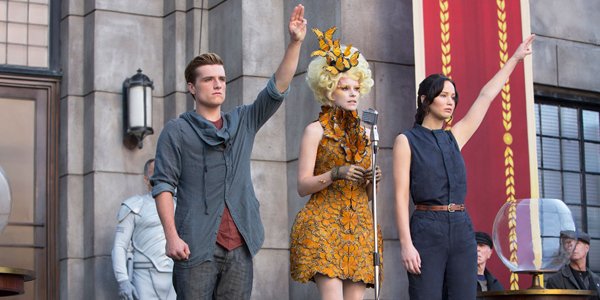
So, this was the first book in a while that I couldn't put down. As usual I'm 8 years too late, but even though the Hunger Games isn't truly fantasy, I thought it worth reviewing. At the very least to bolster my stats. Which, by the way, I'm proud to report are at nearly 30K hits. Averaging about 500 a month now. Leave a goddamn comment people!  I did see the movie for this book, though I did not see the two sequels.  And, all pictures of Katniss in this blog, are of the talented Jennifer Lawrence. And for the purposes of SEO, Jennifer Lawrence is hot, Jennifer Lawrence is sexy, Jennifer Lawrence is a goddess.  Glad that's over.  She's ok, I have no dog in that fight.

I recall, when Harry Potter came out, being late to get on that train as well. I had a conversation recently with a tenured anthropologist who shall remain nameless, wherein she basically encapsulated my feeling about Harry Potter, pre-reading:  "I've been reading adult fantasy my entire life, why am I wasting my time on this kids stuff?" Of course, as anyone who has actually read the novels knows, the rewards are startling, immediate, and not at all vindicating for a former hater. So for Susan Collins (btw, while I do not understand the her reference, I know exactly where Susan Collins was standing in Central Park when that photo was taken--GOD I MISS NYC).


This is classified as teen lit, but teen lit, The Hunger Games ain't. Seriously, I'm not really sure why it's classified as such, other than that the two main characters are teenagers. The Hunger Games themselves are about the yearly slaughter of 23 young people for spectacle and sport, something which is neither trivial, nor funny. The dystopian society Collins has created is simply awful, and yet completely real. This is social commentary at its best, and The Hunger Games really needs to be added to the English curriculum in years to come. And the writing is actually really excellent. Much better, in fact than J.K. Rowling's prose. (That was an early turn off for me, in my Sorcerer's Stone reading.) "Collins’ adjectives are often used in a utilitarian manner, to describe processes (as in “One of the heaviest days of betting is the opening, when the initial casualties come in.”).Collins' prose is terse, spare, and utterly fitting for the bleak subject matter. And for all of that, the level of detail that I demand (and I demand copious amounts) is largely there.

Katniss, bringing the bow and arrow back for the new millennium
The other elements that make teen drama: are an over emphasis on sexual tension, sexuality, hormones, and teen drama. Well, this book ain't that either. Katniss is a largely asexual creation. And none of the anecdotes of the story feature any overt sexuality. There is frankly a lot of kissing. But it is all in the context of duress, where the heroin feels that she must provide a show to save both her life and that of her compatriot. Therefore the uncomfortable romance of the novel is one driven by political expedience. I think this novel could even be called feminist lit as, the subject of Katniss' body becomes everyone's business, and the ideas of disinterest, individualism, power, and objectification are all explored in some very subtle ways, and other more direct approaches. I will read this book to my daughter one day, not all that long from now, either.

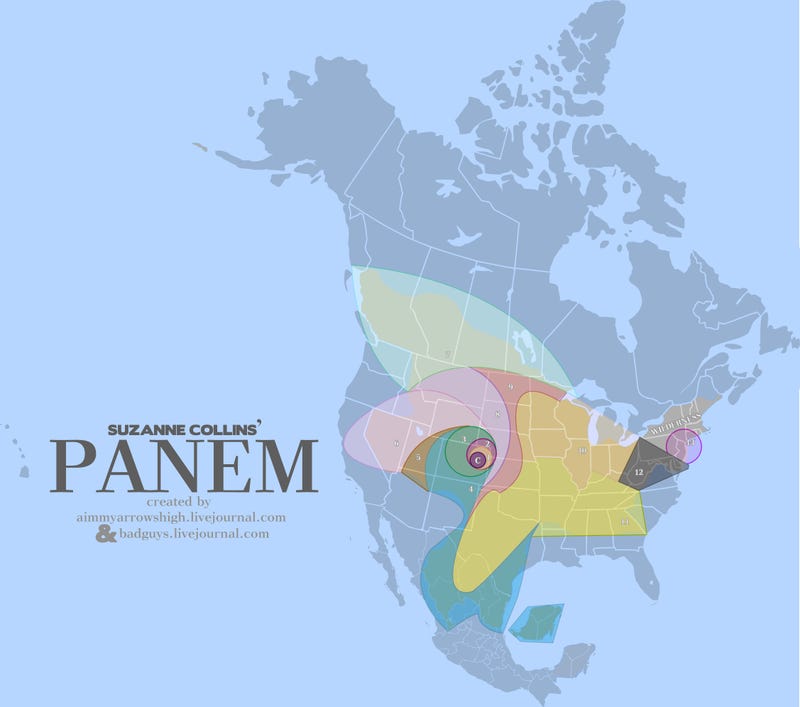
A strange, but supposedly accurate map of Panem

Even though everyone in the world has either read the books, I think I should provide some basic info.  In this future, the world has largely destroyed itself (likely through Nuclear war/winter.  A surviving remnant of humanity (though there may be others) has organized itself into 13 outlying districts and a major metropolitan area in the Rockies which feeds on the mercantile production of the outlying districts.  Each district provides a different commodity, though that in itself is a very strange, unlikely economic reality. It does make things easy for young readers I suppose. While it is certainly true that there are regions of the world which provide principally one export (oil based economies for example) in any sophisticated economy, such single export based economies are unlikely. And if it were true, a coal based economy like District 12, would likely be a good deal richer, providing as it does a major energy export. (Adherents to the series might say that nuclear power, in District 13 might have done for the District 12 what nuclear power did to coal rich regions like Wyoming and West Virginia. My counter would be: what District 13, it was destroyed, even with nuclear facilities in District 2, the price of coal would have skyrocketed.) Regardless of how unlikely such a scenario would be, the districting provides a useful structure for the books, a lot like "races" in a fantasy book. At one point in this post democratic society, a 13th district rose up, complaining about the excesses of the megalopolis, and the unfair treatment of those in the districts. And of course, brutal war followed that, destroying the 13th district altogether.

Following the war, for whatever reason, the Capitol decided that a ritualistic killing of young people was the best way to keep the districts in line. While this invention can be debated, it really forms the crux of the book, so there's little point. What matters is that the contestants for these games are randomly selected, but they can volunteer if they want. They have no recourse for selection, and they know that all but one will be killed in the game's arena. Our heroine, an aggressive, ornery, teenager named Katniss Everdeen is not picked. Instead her sister is, and she rushes forward to take her sister's place. The early pages of this novel feel a lot like Shirley Jackson's famous short story, The Lottery, where winning means death.

The rest of the book is one brutal killing after another, mixed with harsh social commentary on life in the Capitol, describing the profligate, media-driven, obsequious and superficial 1% of Panem. These critiques are stinging, though as always with such platitudes, it is easy to point "to the other guy" as the one who lives in excess. Still, I had to admire the grittiness of the tale. These were hard-bitten cynical people who had endured real suffering: starvation, beatings, cold winters, mal-nutrition. These are real things and they are not frequently in adult fantasy, let alone young adult fantasy. To add to this, Katniss is not a particularly eloquent character. She is terse, and represents SELF-ALIENATION to a fault. She is really a very difficult character to like, which for fiction of this kind adds a great deal of charm. Her relationship with her sole surviving parent is sketched out in rather broad strokes, but her mother's depression following the death of her husband, caused Katniss to withdraw in a wonderfully original way. A parent's failure to parent, whether it be for mental illness, or even death, is nigh-unforgivable to a child.
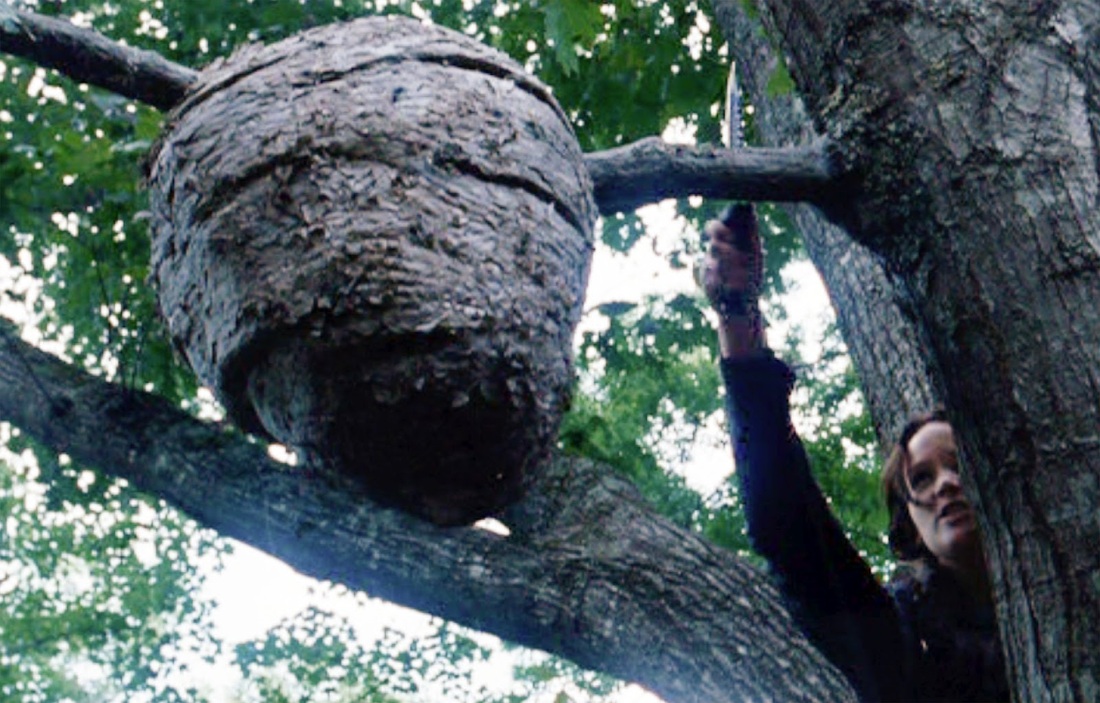
The tracker jacker nest that kills one of the participants

Perhaps one of the markers of real fiction, of fiction that actually makes the grade is the ability to show a character change. And Katniss does, and it is not the one that the reader wants--one more reason Hunger Games is a really phenomenal and unpredictable story. She does not get kinder, she does not fall in love, she does not turn into the Capitol's creature. Her personal growth is, to my opinion, a fairly subtle shade. She's very introverted, very in her-own-world, and as she becomes the media star of the Hunger Games, and then the wider symbol of a subversive movement she becomes if not a thrilled participant, certainly a willing one. Also, like many selfish people masquerading as selfless people, she begins to understand that people other than her sister depend on her.

One thing about Katniss which I find off-putting as a dyed in the wool liberal is her willingness to kill, and the ease with which she does so. That said, the other main character, her male counterpart in the games, Peeta has enough conscience for both of them.

SPOILER ALERT: I think the lack of love triangle with Peeta, Gale, and Katniss is an unusual one for a teen drama, and it drives the whole series forward. (A whole genre of fanfiction exists to explore this relationship) Katniss, who loved and revered her father, became emotionally crippled when he died in a mining accident. And with her mother's depression she was forced to assume too much responsibility for a child to have to endure. Perhaps as a consequence to this traumatic event her emotional growth really stopped at this time. There are two boys however, Gale and Peeta who have developed an abiding love for Katniss, and have multiple instances to prove said love. In all cases, Katniss rejects/or is completely ambivalent to this love. It's not that she can't choose, it's that she can't choose to not have either. This seems highly unusual for all fiction, let alone teen fiction. It also seems to be a pretty strong feminist interpretation of womanhood. The other important relationship, touched upon briefly, is the relationship Katniss has with her mother. It's a relationship described mostly by its absence. Our heroine does not crouch in the hard rain of the arena, desperately crying for her mommy, as any reasonable person would. But the anger and resentment against her mother is tangible in its absence. In some respects, I felt like this gaping hole was a problem, unbelievable. At other times, I felt that the absence spoke more eloquently than the pages of backstory would have.

The Hunger Games was such a good novel I read all three books in three weeks. Basically pushing off all other assignments. I think, ultimately, that is the highest review a bonafide reader can give.

Saturday, October 8, 2016

Horselords by David Cook, Forgotten Realms 1990

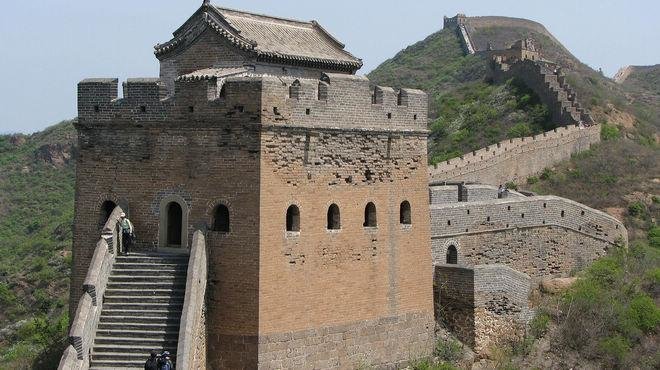
This was a surprisingly good book for genre fiction of the time period. However two publication years into the forgotten realms books and still at the far outskirts of the world, places that haven't even heard of the great city of Baldur's Gate. Still with this, and the last Realms book I reviewed I'm seeing a pattern. The first two years of the Realms gave a snapshot of the interior of the realm. Now we are fleshing out the outskirts. This book reminds me a tad of Raymond Feist and Janny Wurts Empire series. It however is most definitely a vintage example of Orientalism. As I discussed here, I am on the fence about such uses of fantasy. On the one hand, done well it provides a welcome relief to standard European fare fantasy, on the other it imposes it's own set of tropes, stereotypes and racist or otherwise bigoted commentary. On the whole, I think Cook skirts the worst things about Orientalism and concentrates on character development and story. One last general note: as Iron Helm had been about the founding of the Americas, Horselords is about Genghis Khan and the The Great Wall of China. That is a history that I know nothing about. But it isn't hidden or hinted at, it is written very clearly as a parallel. Remember that Ed Greenwood's initial conception of The Realms was as a nexus or hidden world, a reflection of all worlds and a fairy realm to our own. Meaning that the epic history told in the Empires Trilogy is meant to mirror our own world.  Viewed in that light it is kind of neat, and readjusts our expectations for cliches.

Belive it or not, there is no fan art for Horselords
Character: there are basically four characters in the whole book. The lead is a priest character, a swami named Koja. He is a unusual in that unlike many D and D priest characters, Koja is entirely weaponless. That said, it doesn't matter since he is a hostage for the entire course of the novel. It is an unusual story in many respects: Koja is a weak character, indecisive and lacking in confidence. The main arc of the story is his Stockholm syndrome toward the Khan of Khans: Yamun. He abandons his church, and his nation. And he does not love the Khan either, like real life, we are swept forward by events with little in the way of epiphany. To be fair to Koja, he does wrestle with these demons, just not very hard.

The next character is Yamun, the great Khan. His character is fairly clichéd, forbidding barbarian King. If anything he's a little more cuddly then many such characters. One thing about Yamun's character, his desire to conquer the Dragonwall is inviolate. He is unable to even consider compromise, and never questions his own judgement. I feel this was a very deliberate choice by Cook, and I don't know, in the end if it reads as one-dimensional or as complex. After all not all characters have to be mealy mouthed and full of internal conflict to be interesting. Often in real life the most interesting people are the most blind. In many respects this novel surpasses the genre of stock swords and sorcery fiction. Much of the story is the interaction between Koja and Yamun, and it takes on the sort of oscar seeking biopic you might expect from Anna and the King. Koja is cut off from all he knows, but did not have too many ties to that world as it was, having lived as a monk. That said, there are many unanswered questions, why was he chosen as a negotiator, and what of his life before he is made captive by the Khan. We are never told, and while the book has many positive elements to it, the lack of background it evinces for its characters is a major failing.

Cliche: Orientalism is probably the worst, the book is replete with customs and inferences drawn from ancient China. As a white person, I don't feel overwhelmed by said stereotypes, but I'm sure I might feel differently had I even a jot of Ghengis Khan's DNA. That said, apparently, like 10% of the world's population has Genghis Khan's DNA so maybe I do have some claim there.  Fun fact, the term Khan, used in many fantasies is a Mongolian word for King. Although the web link is silent on which came first Genghis, or the Khan. Another cliche, The Good Advisor cliche, is highly evident for obvious reasons.  Koja's conflict over how to advise the Khan, particularly in light of the serious conflict of interest is only lightly delved into it.  It's the sort of thing that all of the Forgotten Realms novels tends to fail at: none of the characters have history.  We do learn of Yamun's ascent to power, and his relationship with his mother-in-law and first wife, Bayalun, but of the advisor we learn little beyond his cloistered life as a yogi of this temple.  I hate to cite the Stockholm Syndrome cliche, over played and tired as it is, but any discussion of Horselords has to at least mention the fact that Koja's relationship to Yamun should be a hostile one.  One cliche certainly not in evidence are the typical Dungeons and Dragons cliches.  There is not a single dwarf or elf in the place.

Completeness:  The world of Horselords is the outskirts of the traditional Forgotten Realms.  Even in Iron Helm, there was mention of the standard Realms, characters and outside influence from the realms we've come to know and love.  Not so Horselords, not even the gods are similiar, and the Shou Empire and the Tuigan hordes of Yamun seem to not take place in the same space at all.  Inspite of this, the novel is written well enough that this subrealm seems entirely plausible.  The Tuigan as a people are entirely tribal and believable as wandering marauders with little interest in outside realms, save war.  The Khazari, a tributary nation conquered by the Shou Empire provides some depth to the political landscape.
The Great Wall of China, of which this book is about.

One thing that disappoints about David Cook's Horselords is the ending.  A sort of standard double cross is planned, and SPOILER ALERT is never hatched, but is discovered well before the trap is sprung.  While the double-cross was standard stuff, it was the dramatic conclusion to the novel, and without it, the ending was sort of uninspiring.  I wonder what happened there.  It was all set up... The novel is the first of a trilogy, so perhaps it was hacked to death and given this rather contrived ending to pick up the drama in later novels.  Regardless, the next in the series, Dragonwall is next on my FR list.

Saturday, September 24, 2016

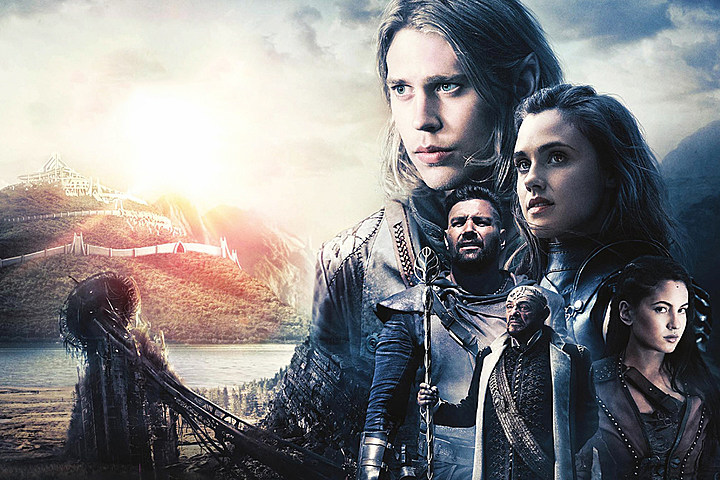
The Chronicles of Shannara on MTV, Season 1

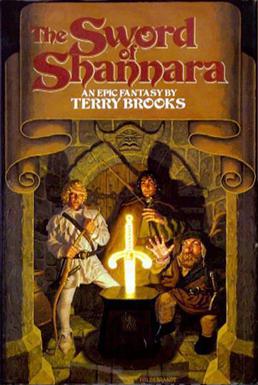
The Sword of Shannara was the first big fantasy novel I ever read. I still remember walking into the Walden Books on Main Street in the New England town in which I grew up, and sorting through the titles in their tiny fantasy section.  I remember the glowing sword on the cover.  I remember turning back to that cover again and again, trying to imagine the three main characters fleeing the Skull Bearers in that flight to to the Silver River.  I remember hiding the book in high school in that same New England town so that I wouldn't get teased by my peers.  I remember that same book being thrown around a classroom while I struggled to get it back like some scene in a John Hughes movie.
   When I heard that the Chronicles of Shannara was being produced, I contained my excitement.  It's a new dawn for fantasy, or at least, it is compared to what I grew up with.  Given the success of Game of Thrones, it was no wonder really that classic fantasy was sought after to produce.  In fact, a television friend of mine even asked me for some recommendations.  That was back before I left the center of the universe, NYC.
When I saw that it was MTV that decided to produce it, unlike some fans, I wasn't perturbed.  I liked "The 100."  Now that I'm officially old, seeing teen melodrama doesn't irritate me, it amuses me, and I admit a certain enjoyment of the eroticism in shows filmed to titillate the chattering class.  I'd been meaning to review the Sword of Shannara for eons, and I am now doing a reread.  However, the Chronicles begin at the second book.  There is an interesting history to that second book, given briefly by Wikipedia.


   To begin with, since this is a film review, I am not going to adhere to my usual rubric.  I will simply comment on that which seems appropriate.  First, the style.  It is immediately apparent that this was filmed to capture the Hunger Games generation.  I admit that I have only seen the first movie, and have never read the books.  However, the starting scenes of the book show a very Hunger Games competition to become Chosen to the Ellcrys.  The whole thing is filmed to maximize on a teen audience, from broad declarations of love and loyalty, to sex scenes that never occurred and gratuitous kissing/flesh, etc.  None of this bothered me, and since I have not read The Elfstones of Shannara in twenty years I cannot yet comment on accuracy.  Though, it seems pretty obviously NOT accurate.  Again, I don't care so much.  I care for the lingering success of my genre, for its mainstream appeal, and for what I believe to be the ultimate benefit: chiefly, the liberalizing of America.
The Space Needle in Seattle
In another shameless appeal to the younger generation, the show really rams home the post-Apocalyptic nature of the Shannara world.  If I were a producer, I'd be saying, "Look at The Walking Dead, people LOVE this stuff!" At one point in the first season, the teens fall into an old ballroom decked out for high school prom (minus the skeletons).  Though the books are pretty over-explanatory, the Druid Alannon outlines the entire history of the world in the first 100 pages of "Sword," they do not reference a single ruin or artifact of the old world until the Scions of Shannara, the fourth Shannara book written by Terry Brooks.  The action in the Elfstones of Shannara (Season 1) occur several thousand years after the Apocalypse.  There isn't a single car, bridge, or building remaining.  Though the Hadeshorn lake is likely still a remnant of radioactive poison.  In Chronicles, Season 1, ruins are ubiquitous.  At one point, Will Ohmsford even asks his co star "don't you ever think about how remarkable ancient humans were?"  This just doesn't happen in the books.  Nonetheless, I like it, though it feels a lot less like fantasy this way.  And the imagery the shows creators show is stunning, if not quite as original as some of its progenitors.
 
Poppy Drayton. Just gorgeous.
Let's talk actors, the series stars, Austin Butler, Poppy Drayton, Ivana Baquero, all three of them pretty hot.  Though Poppy (I'm sorry Poppy, but if I'd rather be named Amberle than Poppy) is really stunning as the elf princess.  I can't say much for acting.  Not that it's bad, I just can't say much about it.   Hers is not a character inflected with obvious weaknesses.  She is a strong, smart woman, and she faces adversity with will and strength.  Strong characters can be somewhat boring, it's true.  Maybe she's a good actor, maybe not.  Even though I spent a decade as an actor in NYC, I've never felt qualified toIt's been too long since I read the book, but I'm pretty sure that Ivana Baquero's character is made up for the series.  Again, so what?  She's hot too, and gets to take Will's cherry in the first episode or so.


Austin Butler, I'll "spare" you the images without shirt
Will (Austin) is an interesting choice re hotness.  Granted, as a straight man, maybe I'm wrong, but I do not think he is a particularly good looking man-boy.  But what I like about him is his sort of soft, innocent, and caring appearance.  Will Ohmsford is sort of an interesting character overall.  In fact, all of the Shannara boys are, including Shea Ohmsford, (Will's father in the series, like great great great grandfather in the books), he is not a swash-buckling hero, he's not even a swash-buckling hero in training.  He isn't a mage, or sorcerer's apprentice either.  If he is anything at all, he is an apprentice healer.  An odd choice for a hero.  This grants a fair amount of depth to the young Will, allowing him to play the caring, feeling role normally reserved for female characters. On the otherhand, the two women get to enjoy more traditionally masculine roles.  Amberle, a young warrioress elf, and Eretria, a thief character.  However, this welcome role reversal does not make these characters particularly deep.  Far from it, but it seems like MTV certainly tried to have strong female roles.  Even if both women fall for one dude.  Like many MTV properties, they even had some lesbian foreplay at one point, titillation for the younger crowd.
Ivana Baquero, naked, in a bath, with Poppy Drayton
   One of my concerns about Shannara was going to be the casting of Alannon.  Alannon is a different sort of Old Wizard cliche.  Young seeming, but silent, withdrawn, and timeless, there is nothing funny about the dark druid.  He is a druid, and falls more under the Druid cliche, though these druids are not worshipers of nature, but worshipers of the old order of men, purveyors of the knowledge of the Age of Man.  I loved Alannon growing up, and having him as a fixture in a series whose faces changed with each book was a welcome sight, even if a grim one.  As one character states, "when Alannon shows up, you know you're in trouble."  Regardless, I can state with confidence that the casting of Manu Bennett is almost perfect.  He is strong, reserved, and stately.  He even brings a little bit of grim humor to the role.  He is a tad good-looking for the role, something I was nervous about at first.  But my reservations were quickly abandoned. Having begun my reread of the Sword of Shannara, I can state that Manu reflects the druid pretty well.
Manu Bennett as Alannon
   One aspect of the show that falls short for me is that there is something flat and one dimensional about the world created by creator's Alfred Gough and Miles Millar.  It's hard to define.  When you read the Sword of Shannara you can't tell that it's Earth until Alannon literally tells you. In my mind, this had the opposite effect you might expect.  The world is less familiar as a post Apocalyptic America then it is a world with a dynamic history and geography of its own.  The beautiful vistas Gough and Millar create make you think of High Apocalypse novels, not of High Fantasy.  I don't know why this matters, but it does.  In some respects many fantasies take place in a post apocalyptic vision.  The characters walk through ancient, haunted ruins, surrounded by a bygone era of grandeur, forever lost.  Tolkien's Middle Earth was very similiar in that respect.  The world of the Fellowship is a shadow of the world before The War of the Elves in the Second Age. Ruins are in the very bones of High Fantasy.  And the swords, torches, and horses are the very outcome of low tech society that has lost its way.
   I think perhaps that one of the Chronicles Season One's failings is that while it discusses the history and frequently alludes to events that have occurred, it skips the prosaic matters that make fantasy worlds real.  Traders on the road, the petty local politics of tyrants, the class struggles hidden, yet glorified by false visions of feudalism.  The world of the Chronicles is shown to be a dystopian vision of isolated communities and roving bands of killers.  While the Sword of Shannara actually makes a point of literally telling you that this decentralized version of the land is political choice (something in my reread I find unpleasant) it is ultimately lying about this because there are local politics and trade: decentralized political systems are a red herring.  Gough's vision of the land of Shannara could take place on the same set as The Walking Dead.  But it's just not true.  The Apocalypse happened two to four thousand years prior, and world wars, which the land has experience many, are not apocalypses--just terrible.
   Regardless, it appears that there will be a second season of the show.  And I'm glad.  There was a time, perhaps when I was both jealous of a younger generation taking fantasy on, and grateful that my preferred medium was successful.  But I am jealous no longer.  With a daughter of my own, I am thrilled to see fantasy living and expanding past what my generation had done for it.